Energy Security Shapes National Stability
Reliable energy determines whether economies can sustain industrial production, infrastructure stability and long-term growth. When energy systems weaken, instability spreads far beyond electricity itself.

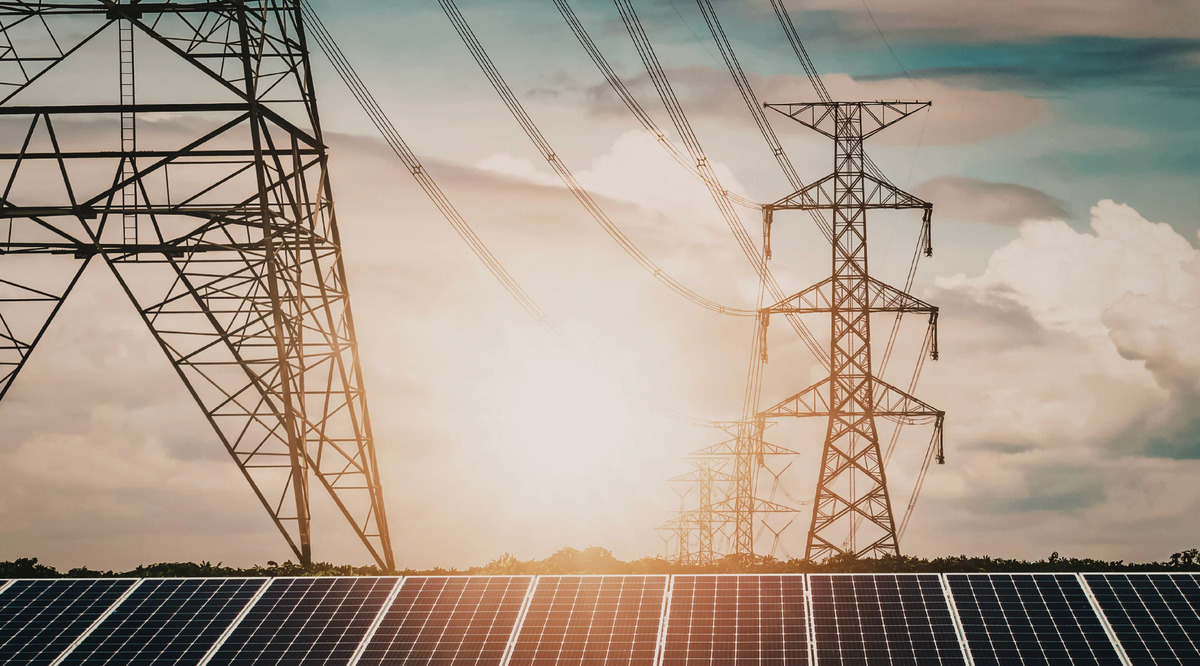
Every modern economy depends on energy.
Not occasionally.
Not selectively.
Continuously.
Energy powers transportation systems, industrial production, agriculture, logistics networks, digital infrastructure and nearly every sector required for modern economic life. When energy systems become unreliable, instability spreads far beyond electricity itself.
This is why energy security is not merely a utility issue.
It is a national stability issue.
Reliable energy determines whether economies can sustain:
- industrial productivity
- manufacturing capacity
- food systems
- transportation networks
- healthcare infrastructure
- digital systems
- investment confidence
- long-term growth
Without dependable energy, productive capacity weakens across the broader economy.
The effects compound quickly.
Factories slow production.
Logistics systems become inefficient.
Operating costs increase.
Investment confidence weakens.
Infrastructure reliability declines.
Economic competitiveness deteriorates.
Over time, entire sectors become less resilient.
This is one reason energy infrastructure matters so deeply for national continuity.
Strong economies usually maintain some combination of:
- stable power generation
- diversified energy sources
- transmission reliability
- maintenance discipline
- long-term infrastructure planning
- strategic reserves
- productive energy capacity
These systems reduce vulnerability during periods of pressure or disruption.
Weak energy systems create dependency and instability because too much productive activity becomes exposed to interruption.
This principle has become increasingly important globally.
As geopolitical competition intensifies and supply chains become more fragmented, nations are paying greater attention to energy sovereignty, infrastructure resilience and long-term production security.
Countries dependent entirely on fragile external energy systems often possess reduced strategic flexibility during periods of instability.
Energy affects sovereignty because production depends on continuity.
Africa possesses significant energy potential.
The continent contains:
- natural gas reserves
- hydroelectric potential
- solar capacity
- mineral resources critical for energy systems
- expanding industrial demand
Yet many economies across the continent still struggle with unreliable electricity infrastructure, inconsistent generation capacity and underdeveloped transmission systems.
This creates structural limitations on industrial growth and productive expansion.
No economy can sustain large-scale industrialization while energy reliability remains unstable.
This is why energy investment should be viewed as productive infrastructure rather than isolated utility spending. Energy systems determine whether broader economic architecture can function efficiently and competitively across time.
Maintenance matters here as well.
Power infrastructure deteriorates quickly when stewardship weakens consistently. Energy systems require disciplined planning, operational competence and long-term investment to remain stable under growing demand.
The same principle applies beyond nations.
Businesses become vulnerable when operational systems lack resilience.
Communities weaken when essential infrastructure becomes unreliable.
Families experience instability when basic systems become unpredictable.
Continuity depends heavily on reliability.
The strongest societies understand that prosperity cannot rest entirely on fragile infrastructure. Stability requires systems capable of sustaining productive life consistently across generations and through periods of uncertainty.
Because ultimately, energy security is not simply about electricity.
It is about whether a society possesses the infrastructure required to sustain continuity, productivity and resilience under pressure.